AllosaurusAllosaurus
Allosaurus fragilis
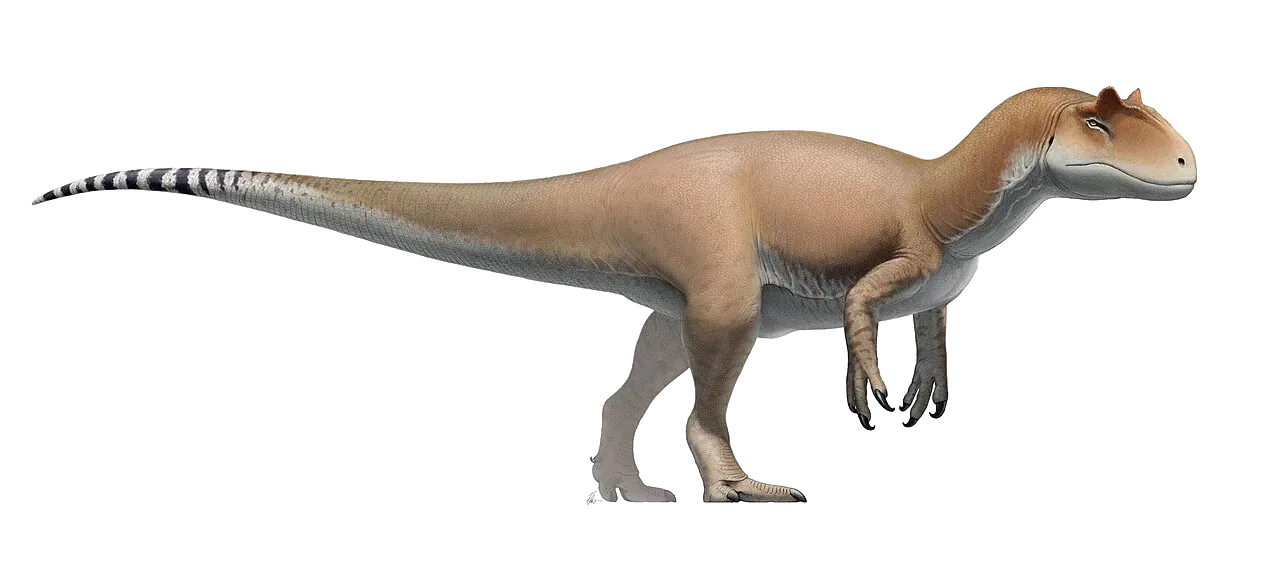
Allosaurus war ein grosser Raubdinosaurier aus dem späten Jura und der häufigste grosse Jäger seiner Zeit in Nordamerika. Er lief auf zwei Beinen, hatte kurze, dreifingrige Arme und einen leichten, aber sehr stabilen Schädel. Er jagte wohl grosse Pflanzenfresser wie Stegosaurus. Mit Tyrannosaurus ist er trotz ähnlicher Gestalt nur entfernt verwandt.Allosaurus was a large predatory dinosaur from the Late Jurassic and the most common large hunter of its time in North America. It walked on two legs, had short three-fingered arms and a light but very sturdy skull. It probably hunted large plant-eaters such as Stegosaurus. Despite its similar build, it is only distantly related to Tyrannosaurus.
Mehr InformationenMore information
Othniel Charles Marsh benannte Allosaurus fragilis 1877 nach wenigen Knochen aus Garden Park in Colorado. Der Name bedeutet «andere Echse», weil Marsh die leicht gebauten Wirbel für einzigartig hielt. Heute gelten mindestens drei Arten als gültig; 2020 wurde die ältere Art A. jimmadseni beschrieben. Die meisten Funde stammen aus der Morrison-Formation im Westen der USA, weitere aus Portugal.Othniel Charles Marsh named Allosaurus fragilis in 1877 based on a few bones from Garden Park, Colorado. The name means "different lizard", because Marsh thought its lightly built vertebrae were unique. Today at least three species are considered valid; the older species A. jimmadseni was described in 2020. Most finds come from the Morrison Formation in the western USA, others from Portugal.
Für A. fragilis werden meist 7 bis 9 Meter Länge und 1.7 bis 2.7 Tonnen angegeben, wobei Gewichtsschätzungen stark schwanken. Im Cleveland-Lloyd-Steinbruch in Utah fanden sich Reste von mindestens 46 Tieren, vom Jungtier bis zum Erwachsenen. Deshalb gehört Allosaurus zu den am besten bekannten Raubdinosauriern. Das Skelett «Big Al» aus Wyoming ist zu rund 95 Prozent erhalten.A. fragilis is usually given as 7 to 9 metres long and 1.7 to 2.7 tonnes, although weight estimates vary widely. The Cleveland-Lloyd Quarry in Utah has yielded remains of at least 46 individuals, from juveniles to adults. This makes Allosaurus one of the best-known predatory dinosaurs. The skeleton "Big Al" from Wyoming is about 95 percent complete.
Computermodelle zeigen einen eher schwachen Biss, aber einen sehr belastbaren Schädel. Die Autoren deuteten das so, dass Allosaurus mit offenem Maul zuschlug, ähnlich wie mit einem Beil; diese Deutung ist umstritten. Allosaurus konnte sein Maul weit öffnen, etwa 92 Grad. Viele Skelette zeigen verheilte Verletzungen, was auf ein gefährliches Leben hinweist. Ob Allosaurus in Gruppen jagte, ist offen.Computer models show a rather weak bite but a very strong skull. The authors interpreted this as Allosaurus striking open-mouthed, somewhat like a hatchet; this interpretation is debated. Allosaurus could open its jaws wide, to about 92 degrees. Many skeletons show healed injuries, pointing to a dangerous life. Whether Allosaurus hunted in groups is unresolved.
Wusstest du?Did you know?
- Der Name Allosaurus bedeutet «andere Echse».The name Allosaurus means "different lizard".2,9
- Allosaurus ist seit 1988 das offizielle Staatsfossil von Utah.Since 1988, Allosaurus has been the official state fossil of Utah.9
- Ein Allosaurus-Skelett mit vielen verheilten Verletzungen, «Big Al II», steht im Sauriermuseum Aathal in der Schweiz.An Allosaurus skeleton with many healed injuries, "Big Al II", is on display at the Aathal Dinosaur Museum in Switzerland.5,9
- Allosaurus konnte sein Maul bis etwa 92 Grad weit öffnen, weiter als Tyrannosaurus.Allosaurus could open its jaws to about 92 degrees, wider than Tyrannosaurus.6,9
- Ein Allosaurus-Schwanzwirbel trägt eine Wunde, die genau zu einem Schwanzstachel von Stegosaurus passt.An Allosaurus tail vertebra bears a wound that matches a Stegosaurus tail spike exactly.8,9
Was man nicht sicher weissWhat we don’t know for sure
- Ob Allosaurus in Gruppen jagte oder allein und sich nur an Kadavern traf.Whether Allosaurus hunted in groups, or alone and only gathered at carcasses.9
- Wie Allosaurus seinen Schädel einsetzte: Die «Beil-Hypothese» wird von anderen Forschenden bezweifelt.How Allosaurus used its skull: the "hatchet" hypothesis is doubted by other researchers.3,9
- Wie schwer Allosaurus war: Die Schätzungen reichen von etwa 1 bis 4 Tonnen.How heavy Allosaurus was: estimates range from about 1 to 4 tonnes.4,9
- Wie viele Arten es gab und wohin sehr grosse Funde (z. B. Saurophaganax) gehören.How many species there were and where very large finds (e.g. Saurophaganax) belong.7,2,9
VerwandtschaftRelationships
Allosaurus gehört zur Familie Allosauridae innerhalb der Theropoda. Er ist nur entfernt mit Tyrannosaurus verwandt, der viele Millionen Jahre später lebte.Allosaurus belongs to the family Allosauridae within Theropoda. It is only distantly related to Tyrannosaurus, which lived many millions of years later.2,9
SteckbriefKey facts
- LängeLength
- 7–9.7 m7–9.7 m2,9A. fragilis meist 7–9 m; NHM nennt 9.7 m.A. fragilis usually 7–9 m; the NHM gives 9.7 m.
- GewichtWeight
- 1.7–2.7 t1.7–2.7 t2,9Schätzungen reichen insgesamt von etwa 1 bis 4 t.Estimates overall range from about 1 to 4 t.
- ZeitraumTime range
- 155–145 Mio. Jahre155–145 million years ago2,9NHM: 152–145 Mio. Jahre; Wikipedia: 155–143 Mio. Jahre.NHM: 152–145 million years; Wikipedia: 155–143 million years.
- ErnährungDiet
- FleischfresserCarnivore2,9Wohl vor allem grosse Pflanzenfresser wie Stegosaurus.Probably mainly large plant-eaters such as Stegosaurus.
- FortbewegungLocomotion
- zweibeinigtwo-legged2
FundorteFossil sites
EntdeckungDiscovery1,9
- JahrYear
- 1877
- OrtPlace
- Felch Quarry, Garden Park, Colorado, USAFelch Quarry, Garden Park, Colorado, USA
- Beschrieben vonDescribed by
- Othniel Charles Marsh (1877)
- FundSpecimen
- Holotyp YPM 1930
Gefunden von Benjamin Mudge und Samuel Wendell Williston. Später wurde das vollständigere Skelett USNM 4734 zum Neotyp bestimmt.Found by Benjamin Mudge and Samuel Wendell Williston. The more complete skeleton USNM 4734 was later designated as the neotype.
Wo gefundenWhere it was found
Lage von Cañon City, ColoradoLocation of Cañon City, Colorado10 · FundkarteDiscovery map →
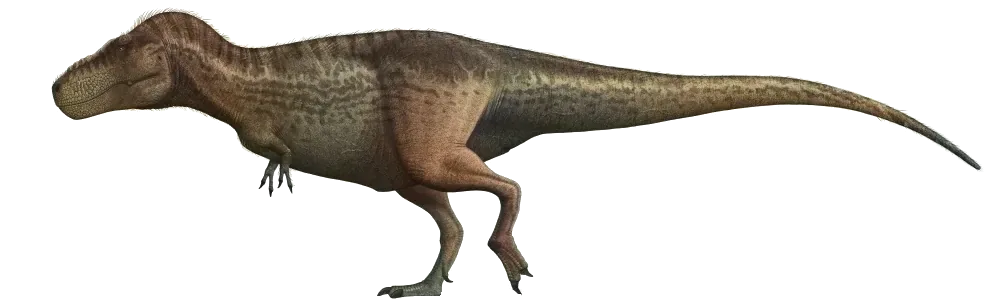
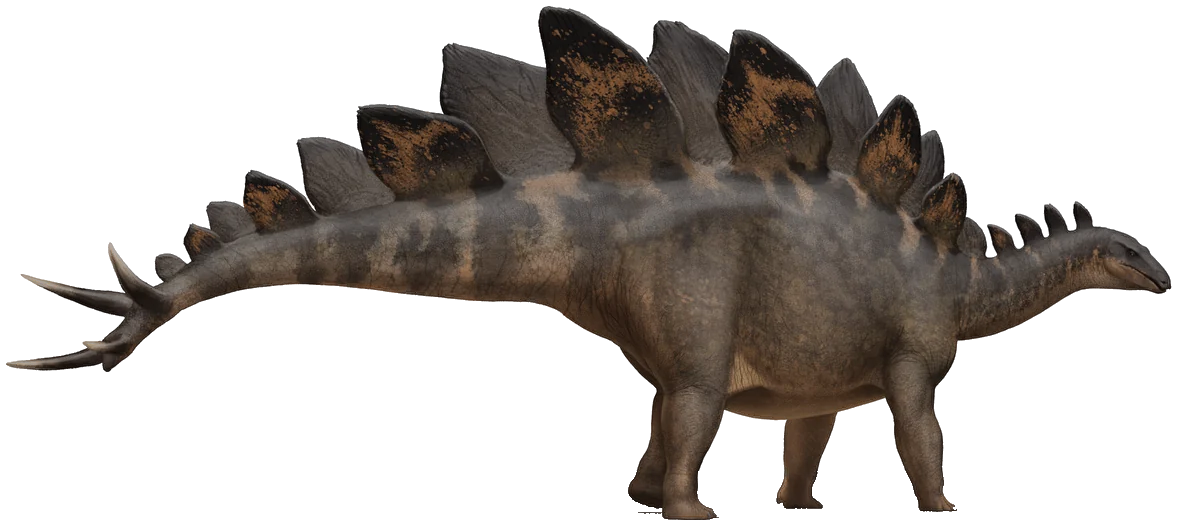
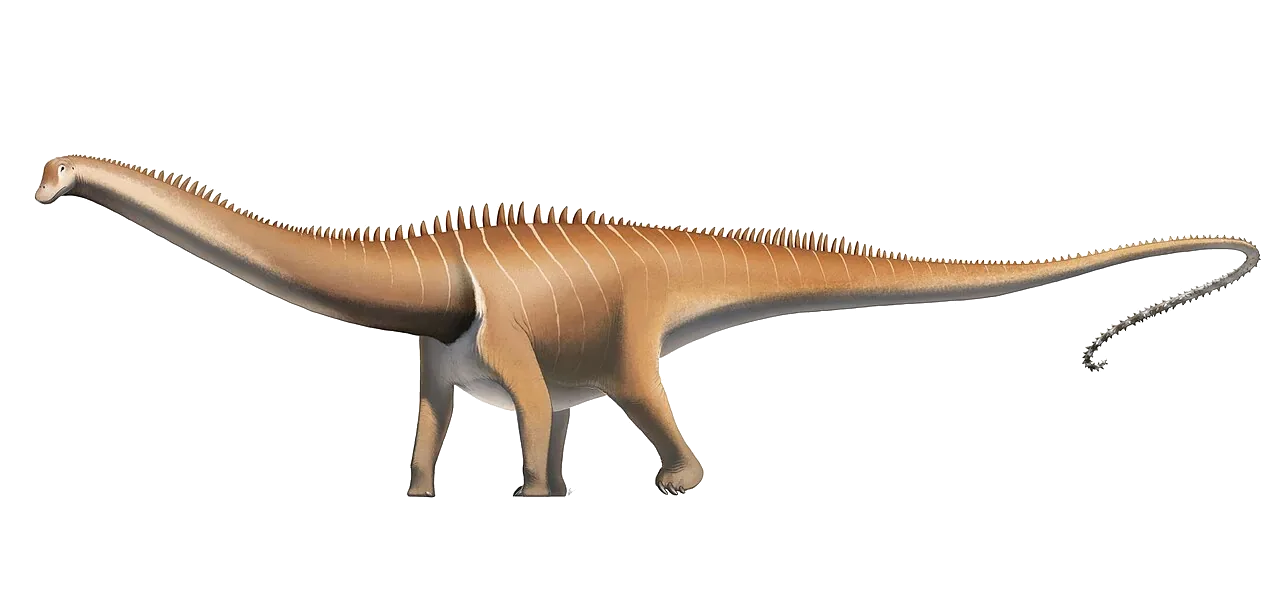
GrössenvergleichSize comparison
QuellenSources
- Marsh, O. C. (1877): Notice of new dinosaurian reptiles from the Jurassic formation. American Journal of Science s3-14
- Natural History Museum London: Dino Directory – Allosaurus
- Rayfield, E. J. et al. (2001): Cranial design and function in a large theropod dinosaur. Nature 409
- Bates, K. T., Falkingham, P. L. & Breithaupt, B. H. (2009): How big was ‘Big Al’? Palaeontologia Electronica 12
- Foth, C. et al. (2015): New insights into the lifestyle of Allosaurus based on another specimen with multiple pathologies. PeerJ 3
- Lautenschlager, S. (2015): Estimating cranial musculoskeletal constraints in theropod dinosaurs. Royal Society Open Science 2
- Chure, D. J. & Loewen, M. A. (2020): Cranial anatomy of Allosaurus jimmadseni. PeerJ 8
- Carpenter, K. et al. (2005): Evidence for predator-prey relationships. In: The Carnivorous Dinosaurs. Indiana University Press
- Wikipedia: Allosaurus (secondary source, accessed October 2026)
- Wikipedia: Cañon City, Colorado (coordinates, accessed October 2026)